
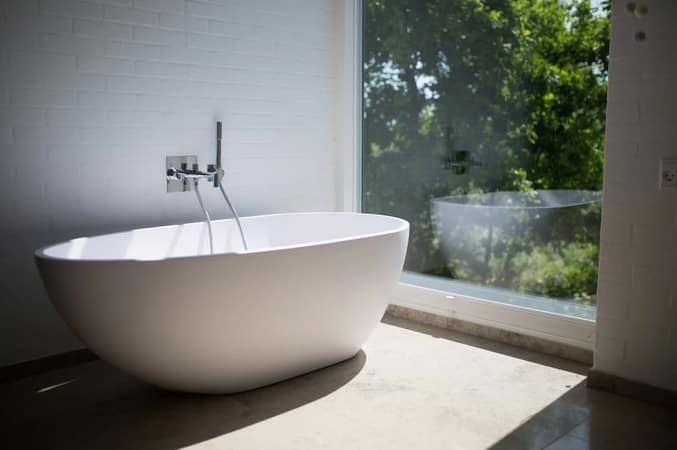
Modern bathrooms are often praised for their clean lines, neutral palettes, and minimal clutter. They look sharp. They feel efficient. But sometimes, they can also feel cold. As more homeowners lean into this aesthetic, a growing challenge arises: how do you retain that sleek appeal without sacrificing comfort? Sunnyvale Texas bathroom contractors understand this balance well. Striking it requires more than a good eye. It means blending smart design choices with subtle emotional cues, things that make a bathroom feel not just stylish but also lived-in and relaxing.
The Definition of Sleek in Design Terms
A sleek bathroom is often built on straight lines, glossy finishes, and a clear sense of order. Surfaces reflect light. Storage is hidden. Color schemes lean toward whites, grays, or blacks. The result is calming and precise. This design excels at making small spaces feel larger and more open. It also aligns with current preferences for simple, uncluttered living. But its strength can also be a drawback. Without care, these elements create a space that feels more like a showroom than a part of a home.
What Cozy Really Means in a Bathroom
Cozy doesn’t have to mean country-style or old-fashioned. In bathrooms, coziness is all about sensory warmth. It’s how the space feels when you enter. Soft textures, warm tones, and natural elements help people relax. A cozy bathroom invites use. It says “welcome,” not “don’t touch.” In many cases, the goal isn’t to undo the sleek elements. It’s to soften them. Modern bathrooms can still carry a sense of order while including features that add warmth.
Materials That Bridge Both Worlds
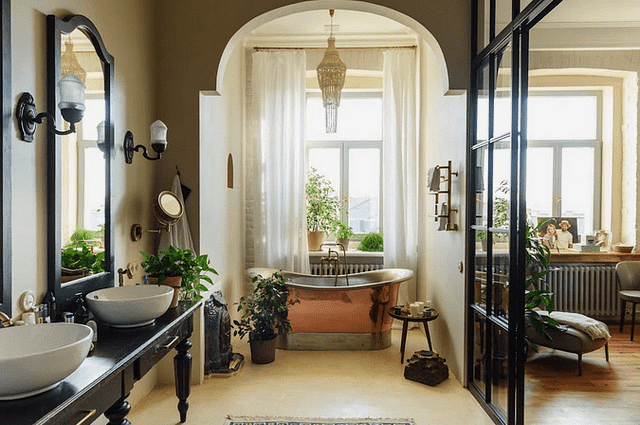
One of the easiest ways to balance sleek and cozy is through material selection. Matte finishes, for example, reduce the harshness of high-gloss surfaces without sacrificing modern style. Natural woods, when used in moderation, offer warmth and contrast. Stone surfaces, especially those with soft veining or a honed finish, deliver elegance while feeling more grounded than stark white quartz. Even metal fixtures can look warmer when brushed or antiqued instead of polished. These material choices create a layered environment. The sleekness remains, but now there’s texture. Visual interest grows, and the space becomes more comfortable without any loss of function.
Lights That Work and Feel Right
Lighting plays a massive role in mood. In sleek bathrooms, lighting often skews toward function: bright, clear, cool-toned. But this approach can be jarring, especially in the early morning or late at night. The solution? Layered lighting. Use warm LEDs around mirrors or under vanities. Install dimmers. Mix ceiling lights with wall sconces. The goal is to ensure enough visibility while allowing the room to shift with the time of day.
Smart Storage Without Losing Soul

Storage is key to keeping modern bathrooms functional. But when everything is hidden, bathrooms can lose personality. To solve this, consider open shelves with curated essentials. A few neatly folded towels, a plant, or even a ceramic dish can give the room soul without creating clutter. Think of storage as part of the décor. Recessed niches in showers, floating vanities, or custom cabinetry can provide space while contributing to the overall feel. The key is not to overdo it. A unique mix of visible and concealed storage keeps the look modern and practical.
Color and Texture as Emotional Anchors
Color has emotional weight. White, gray, and black are staples of modern design, but they don’t evoke much feeling on their own. Introduce warmth through earth tones, soft greens, or muted blues. Even a single painted wall can shift the tone of the room. Texture also helps. Consider waffle towels, ribbed mats, or linen shower curtains. These small details add tactile comfort. They help balance the smooth, hard surfaces found in tile and glass. When color and texture work together, they ground the room. They make it feel real and lived-in while maintaining a modern look.
You don’t have to choose between sleek and cozy. A modern bathroom can and should be both. The most appealing spaces today are the ones that understand this balance. They deliver function at the utmost level while still being emotionally inviting. It starts with thoughtful design. Choose materials that add softness. Layer the lighting. Use texture and color to bring warmth. Personalize the storage. Every choice counts. The end result is a bathroom that looks polished but feels personal. A room that doesn’t just work, but welcomes. That’s the future of modern bathroom design, …

 Roofs are made of various materials, such as metal, fiber, slate, wood, asphalt, and ceramic. Each material has its own pros and cons. And in this writing, we will focus on metal roofing because it is durable, long-lasting, and requires a minimum budget to install. Metal roofing ranks on the top regarding its practicality, efficiency, and life expectancy. And in addition, metal roofing is environmentally friendly because it is highly recyclable.
 Copper roofs have been found in many historical architectures around the world. Doors in Amen-Re temple in Egypt were a centuries-old design, and they had coppers covering on them. For roofing, ancient Romans were known to apply the metal on the Pantheon. And later in medieval ages, coppers could be profoundly found on the roofing of churches and cathedral.
 The default look of metal roofing is plain, which perhaps, will not goe smoothly with your architectural design preference. But the current technology has allowed cosmetic modification on metal roofing. Metal roofing now can resemble wood shakes, clay tile, shingles, and slates. It gets the appearance without the vulnerability. But it is better if you consider hiring an architect to determine what roofs fit your style and your environment condition. Or you can consult directly with the roof manufacturer or the roofer.
 You can do an inspection on metal roofs by yourself, but it holds the risk of causing scratches on the surface. And most metal roofs are coated, so if you scratch the coat, the roof will be vulnerable to corrosion. What to look for in an inspection is that if the sealants have worn out. Most sealants can stand weather for at least 15 to 20 years. And unless you experience a storm or hurricane, you do not need to do the checking.