
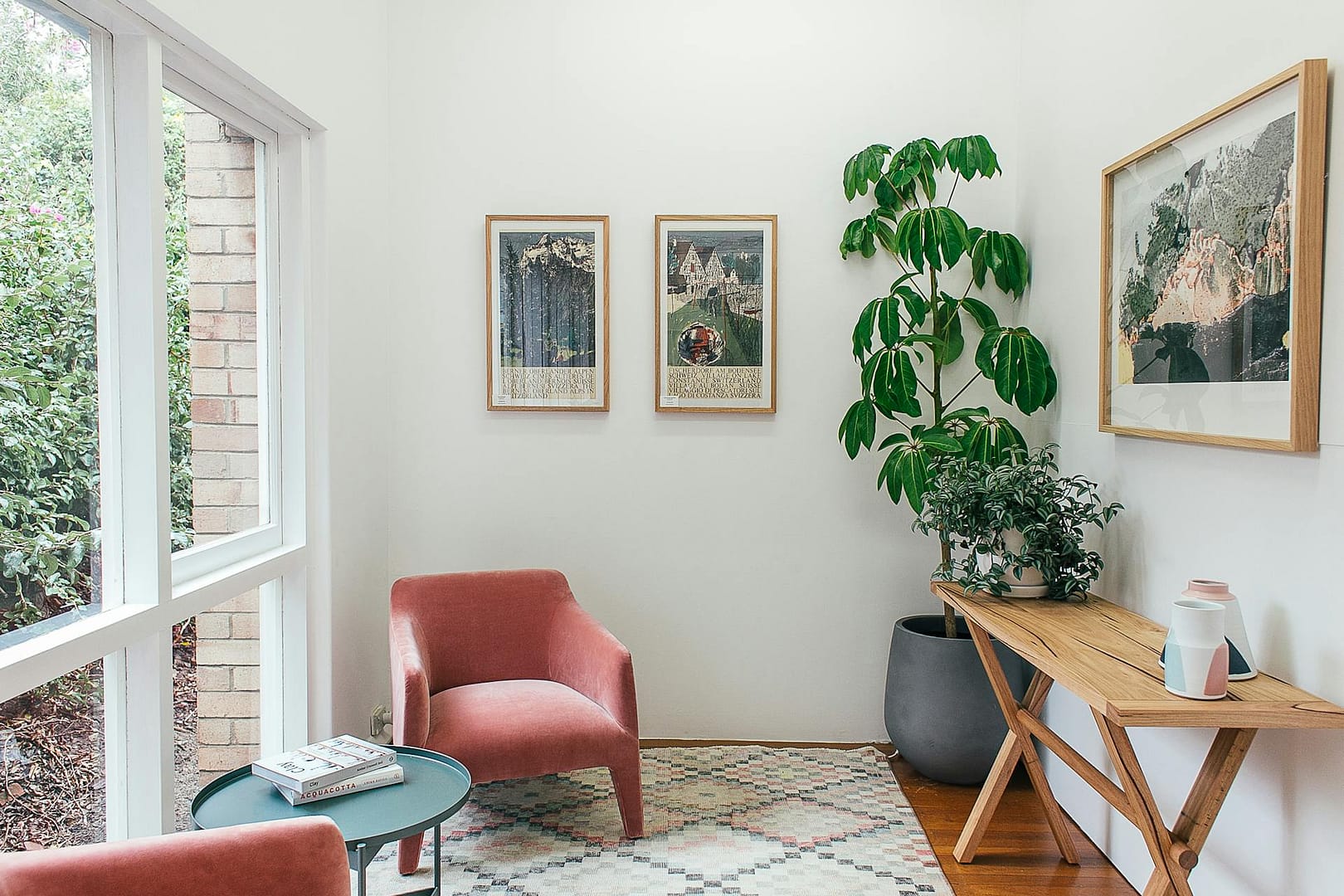
Home environments affect how people feel and function each day. Lighting, colors, furniture placement, and decorative elements all contribute to the mood of a living space. Among these elements, indoor plants have become increasingly popular in modern homes. Plants introduce natural beauty and gentle movement into interior spaces. Their presence often changes how a room feels, creating a more relaxed and welcoming environment. Many homeowners add plants not only for decoration but also to improve the overall atmosphere of their homes. Understanding how indoor plants influence living spaces helps explain why they remain a common feature in interior design.
Bringing Natural Elements Indoors
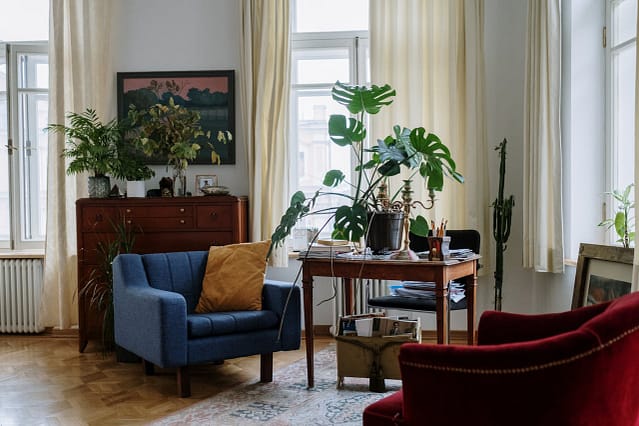 Indoor plants connect living spaces with nature. In urban environments where outdoor greenery may be limited, plants help reintroduce natural elements into the home. The color green often creates a sense of balance and freshness. Leaves, stems, and natural textures soften the appearance of walls, floors, and furniture. When plants become part of interior design, rooms feel more alive and less mechanical. This natural presence helps ensure that living spaces feel comfortable rather than purely functional. By adding even a few plants, homeowners can transform the visual tone of a room.
Creating a Calm and Relaxing Environment
Indoor plants often contribute to a sense of calm. Many people associate greenery with peaceful outdoor settings such as gardens or forests. When similar elements appear inside the home, they can encourage relaxation. A plant placed near a reading chair or window may create a quiet corner that feels inviting. Visual simplicity also plays a role. Plants often introduce gentle shapes and soft colors that contrast with rigid architectural lines. These qualities help ensure that living spaces support rest and emotional balance after busy days.
Improving Visual Balance in Interior Design
Interior design often focuses on the balance between different elements. Furniture, lighting, and decorative objects must work together to create harmony. Plants help achieve this balance by adding organic forms to structured environments. Their shapes and heights can fill empty corners or soften sharp edges in a room. For example, a tall plant placed near a window may create vertical interest in an otherwise flat space. Smaller plants on shelves or tables provide subtle decorative accents. These adjustments help ensure that rooms appear thoughtfully arranged rather than overly crowded.
Encouraging Mindful Daily Routines
Caring for indoor plants introduces small moments of attention and responsibility into daily routines. Watering, trimming, and observing plant growth encourage mindfulness. These simple tasks may seem minor, yet they create opportunities to slow down and notice small details. Watching a plant develop new leaves or flowers can be quietly rewarding. Regular care also helps homeowners remain aware of their surroundings. Instead of ignoring the environment, people interact with it through these small actions. This relationship between plants and daily habits often strengthens the connection individuals feel with their living spaces.
Supporting Air Quality and Freshness

Indoor plants can contribute to the perception of fresher air inside a home. While ventilation and proper air systems remain essential, plants often enhance the feeling of freshness. Their natural presence reminds people of outdoor environments where air circulation and greenery coexist. This association can make rooms feel more comfortable and inviting. Plants also encourage homeowners to open windows, adjust lighting, and maintain healthy indoor conditions. Together, these actions help ensure that living spaces remain pleasant and breathable.
Personal Expression Through Plant Choices
Choosing indoor plants allows homeowners to express personal style. Different plant species vary in size, shape, and texture. Some individuals prefer large leafy plants that create bold visual statements. Others enjoy smaller varieties that fit neatly on shelves or desks. The arrangement of plants throughout a home can reflect the homeowner’s taste and personality. A carefully selected plant collection may create a distinctive atmosphere within the living space. This flexibility allows plants to complement many interior design styles.
Indoor plants influence the atmosphere of living spaces in several meaningful ways. They introduce natural beauty, encourage relaxation, and improve visual balance within interior environments. Beyond decoration, plants support mindful routines and create stronger connections between people and their homes. Their presence often transforms rooms into spaces that feel welcoming and comfortable. As homeowners continue to seek environments that support well-being, indoor plants remain a simple yet powerful addition to modern living spaces.…